|
1
|
|
|
2
|
|
|
3
|
|
|
4
|
- Keeping students tuned in and engaged in language learning:
- Provide context for the material
being discussed—making it relevant!
- Provide a need to learn the
material—communicating with peers!
- Make it real—discussing issues
related to the world around them!
- …Sounds easy….but is it?
|
|
5
|
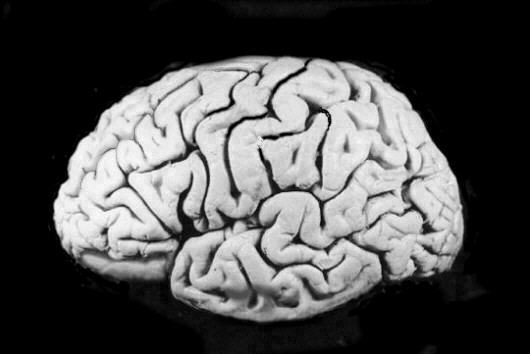
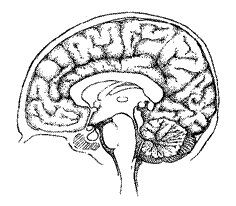
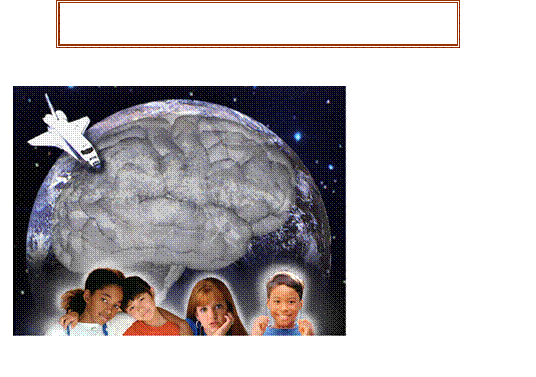
- “The human brain, a 3-pound mass of interwoven nerve cells that controls
our activity, is one of the most magnificent—and mysterious—wonders of
creation. The seat of human intelligence, interpreter of senses, and
controller of movement, this incredible organ continues to intrigue
scientists and layman alike.”
(Presidential Proclamation 6158, 1990).
|
|
6
|
|
|
7
|
|
|
8
|
|
|
9
|
|
|
10
|
|
|
11
|
|
|
12
|
|
|
13
|
|
|
14
|
|
|
15
|
|
|
16
|
|
|
17
|
|
|
18
|
|
|
19
|
|
|
20
|
|
|
21
|
|
|
22
|
|
|
23
|
|
|
24
|
|
|
25
|
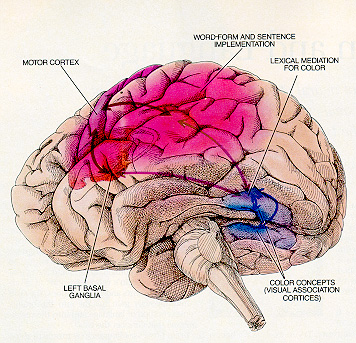
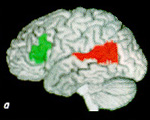
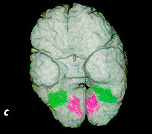
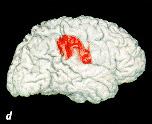
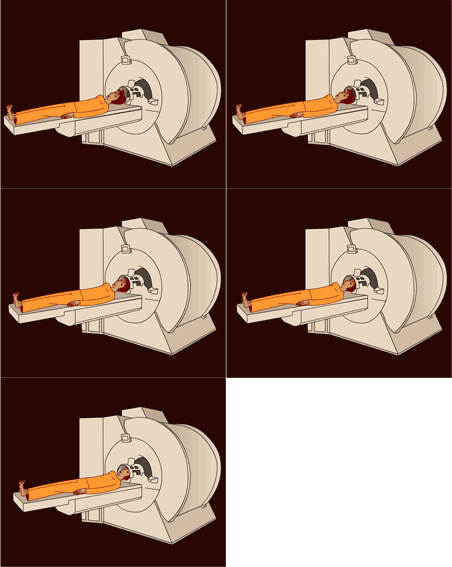
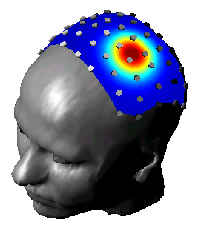
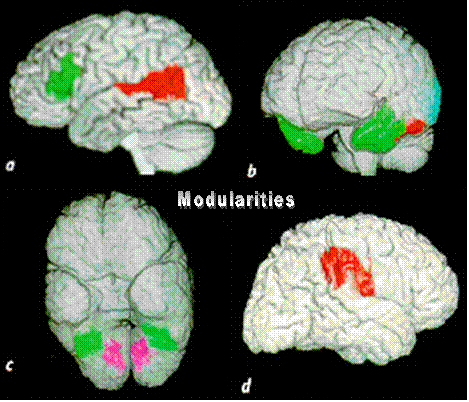
- Memorial Sloan-Kettering Cancer Center in New York
- 12 healthy bilingual volunteers
- * Revealed information suggesting
that the location where the capacity to speak a second language is
stored can be found in different areas of the brain depending on when in
life a person becomes bilingual.
- Winslow, 1997
|
|
26
|
|
|
27
|
- Children who have studied a foreign language in elementary school:
- Achieve expected gains in all content areas.
- Receive higher scores on standardized tests in reading, English
language arts, science, mathematics, social studies and geography.
- Show greater cognitive development—mental flexibility, creativity at
solving complex problems, divergent thinking, and higher-order thinking
skills.
- Long Term Effects:
- Higher SAT scores.
- Higher scores on tests of verbal and nonverbal intelligence.
- Positive attitudes toward the target language and culture:
- Children's motivation to learn another language is stronger.
- Demonstrate increased confidence in their ability to use the
target language.
- Develop more positive attitudes toward the target
language and culture.
|
|
28
|
|
|
29
|
- 720 hours of INTENSIVE study
at the Foreign Service Institute for
adults with high
aptitude to become proficient.
- (Omaggio-Hadley, 2001)
|
|
30
|
|
|
31
|
|
|
32
|
|
|
33
|
|
|
34
|
|
|
35
|
|
|
36
|
|
|
37
|
|
|
38
|
|
|
39
|
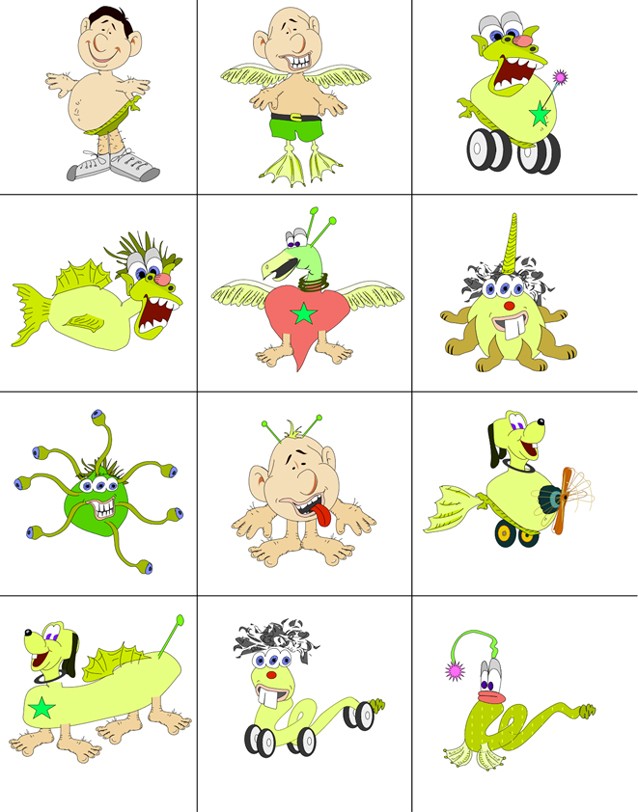
- Work in small groups to complete the tasks as described on your activities
sheets.
- Using the mirror, read the directions and complete each task before
continuing to the next task.
- Lessons Learned
- Prior knowledge can cause negative feedback.
- Experimentation must occur in order to achieve mastery.
- Emotions can be detrimental to learning.
- The student does not feel good about the task until the breakthrough
occurs and the problem can be solved.
- The 3 E’s:
Emotional Security/Elaborate Rehearsal/Enriched Environment
|
|
40
|
|
|
41
|
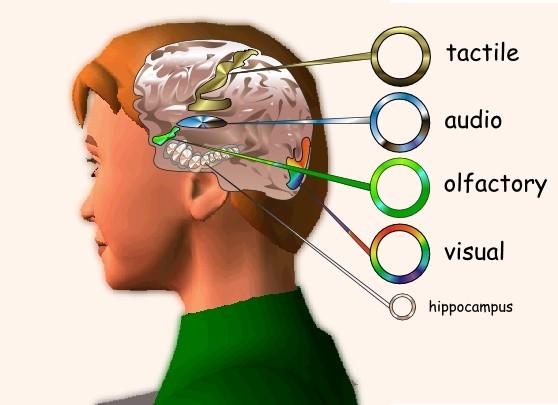
- 5 of the 12 pairs of sensory nerves are associated with FL teaching and
learning:
|
|
42
|
|
|
43
|
|
|
44
|
|
|
45
|
|
|
46
|
|
|
47
|
|
|
48
|
|
|
49
|
|
|
50
|
|
|
51
|
|
|
52
|
|
|
53
|
|
|
54
|
|
|
55
|
|
|
56
|
|
|
57
|
|
|
58
|
|
|
59
|
|
|
60
|
- Create a brain-compatible learning environment where a combination of
many different teaching methods are utilized.
|
|
61
|
|
|
62
|
|
|
63
|
|
|
64
|
- Brain Awareness Week is an international effort organized by the Dana
Alliance for Brain Initiatives to advance public awareness about the
progress and benefits of brain research.
- http://www.dana.org
|
|
65
|
|
|
66
|
|
|
67
|
|
|
68
|
- REMEMBER:
The tendency for the brain to consider the entire experience and
to search for meaningful patterns calls for thematic, content-based
interdisciplinary instruction.
|
|
69
|
|
|
70
|
|
|
71
|
|
|
72
|
|
|
73
|
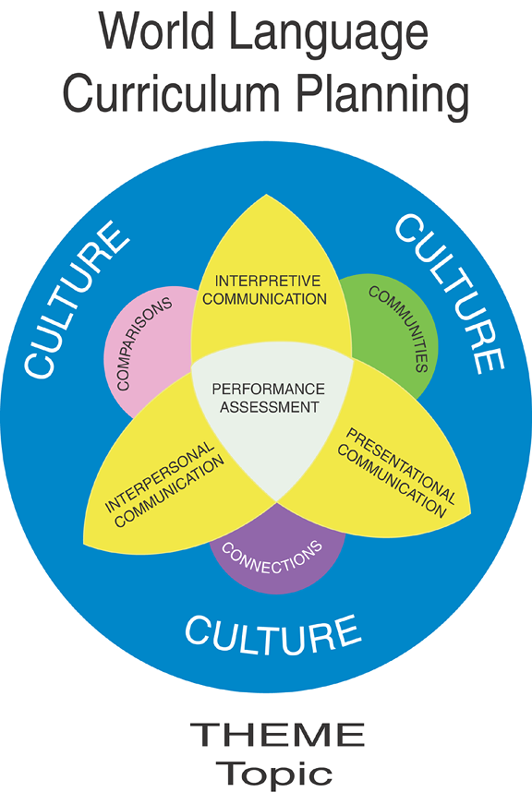
- Communication
- Cultures
- Connections
- Comparisons
- Communities
|
|
74
|
|
|
75
|
|
|
76
|
|
|
77
|
|
|
78
|
|
|
79
|
|
|
80
|
|
|
81
|
|
|
82
|
|
|
83
|
|
|
84
|
|
|
85
|
|
|
86
|
|
|
87
|
|
|
88
|
|
|
89
|
|
|
90
|
|
|
91
|
|
|
92
|
|
|
93
|
|
|
94
|
|
|
95
|
|
|
96
|
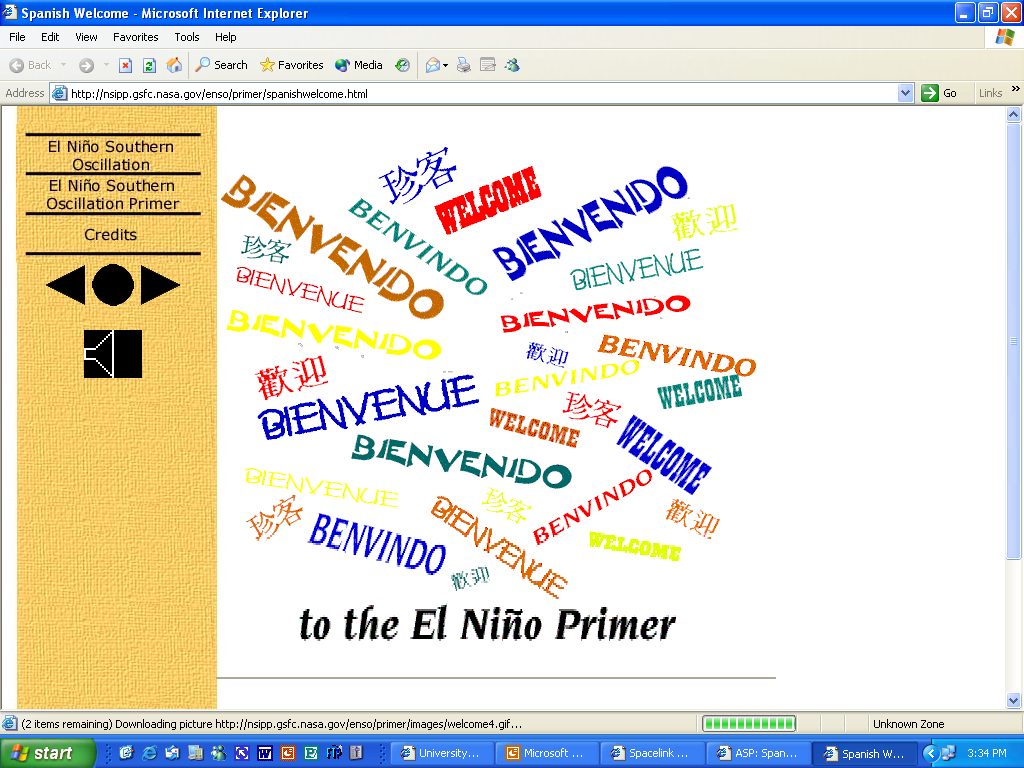
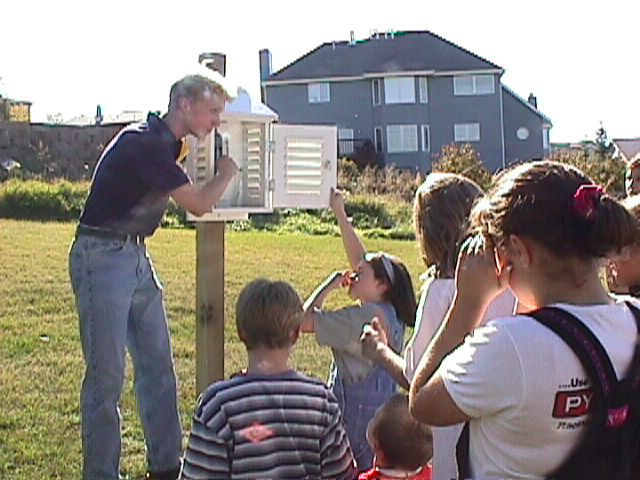
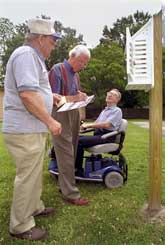
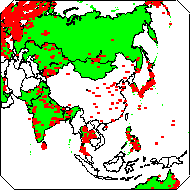
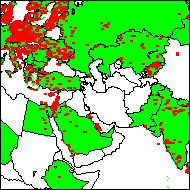
- TPR-Review weather terms to lead into a discussion about El Niño.
- Jigsaw Reading Activity- Use authentic text about the El Niño weather
occurrence to deepen understanding and expand vocabulary. Group discussion.
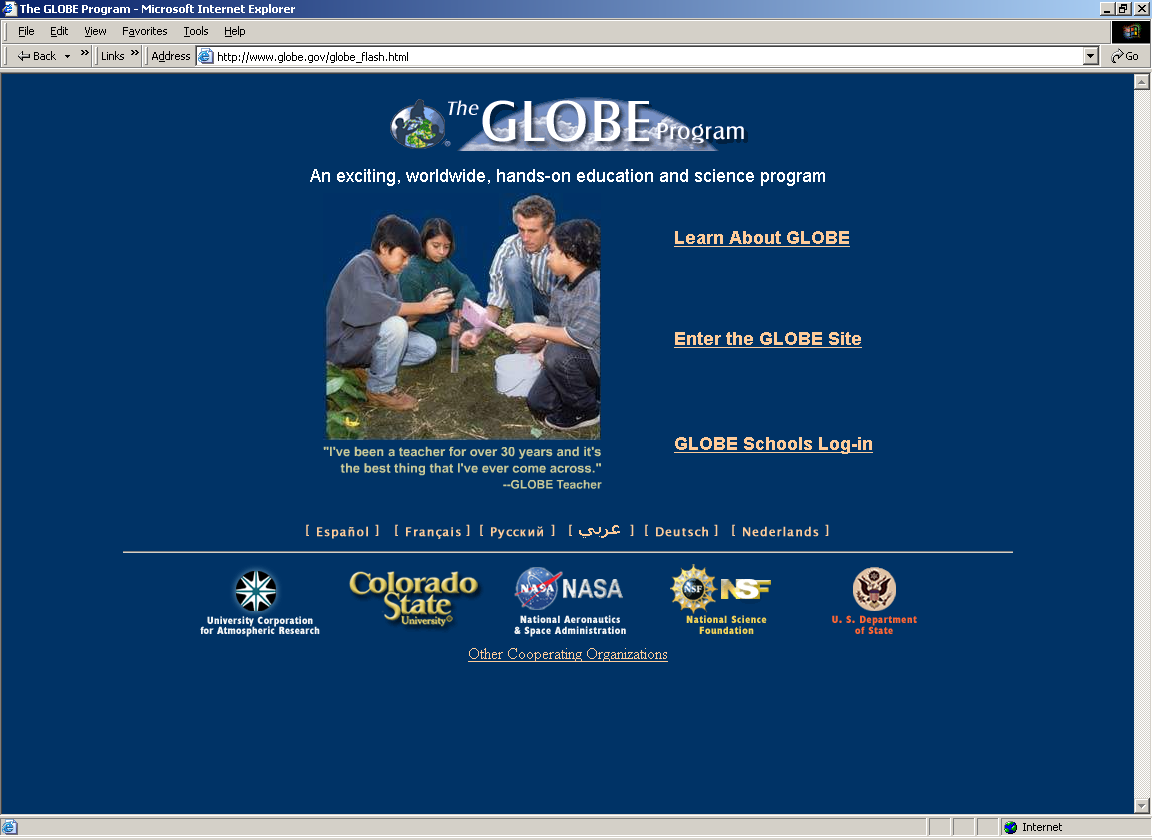
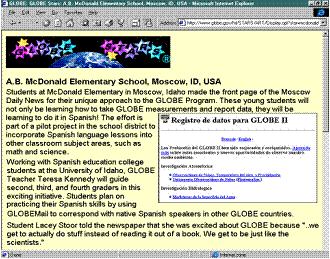
- Culture/Technology- Use the Globe website to locate and communicate with
students in other nations.
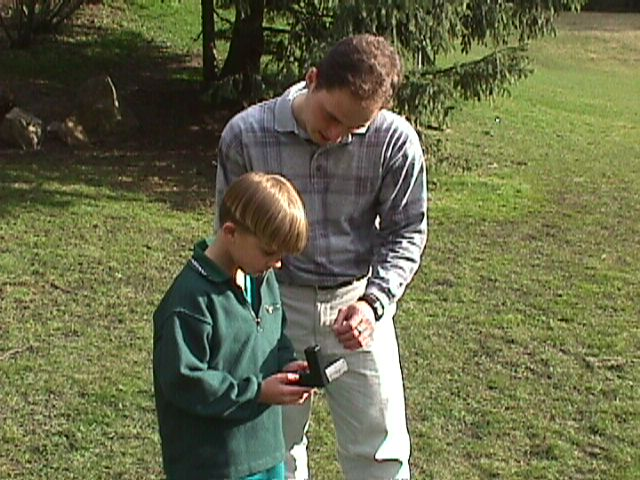
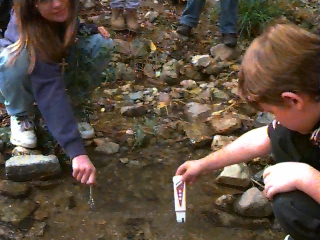
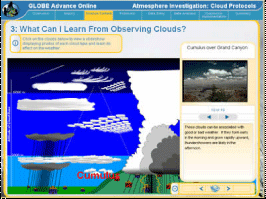
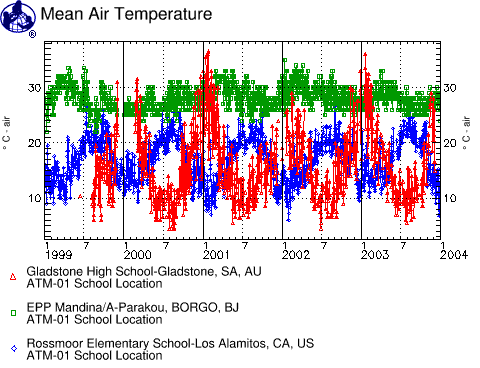
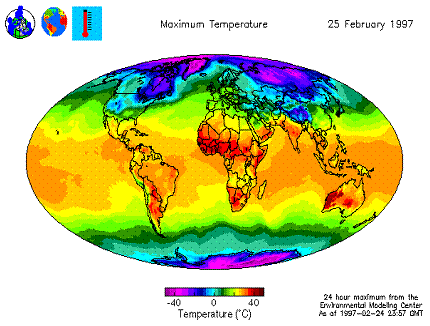
- GLOBE Enhancements- Use the GLOBE cloud protocol and weather
observations to discuss cloud cover and temperature. Begin writing activities.
- Extended Listening Activities- Show students an authentic weather
forecast and provide them with listening guides.
- Creation- In groups, students will create video taped weather
forecasts. Present in class.
- Meaningful study of the language—students motivated for future use.
|
|
97
|
|
|
98
|
|

 Notes
Notes